11
By: Harry Lee
Environmental issues play an essential role in our conversations as a country and as consumers. People are changing how they shop by seeking out businesses that care for our planet. It is causing businesses of all sizes to reassess their product packaging and shipping methods.
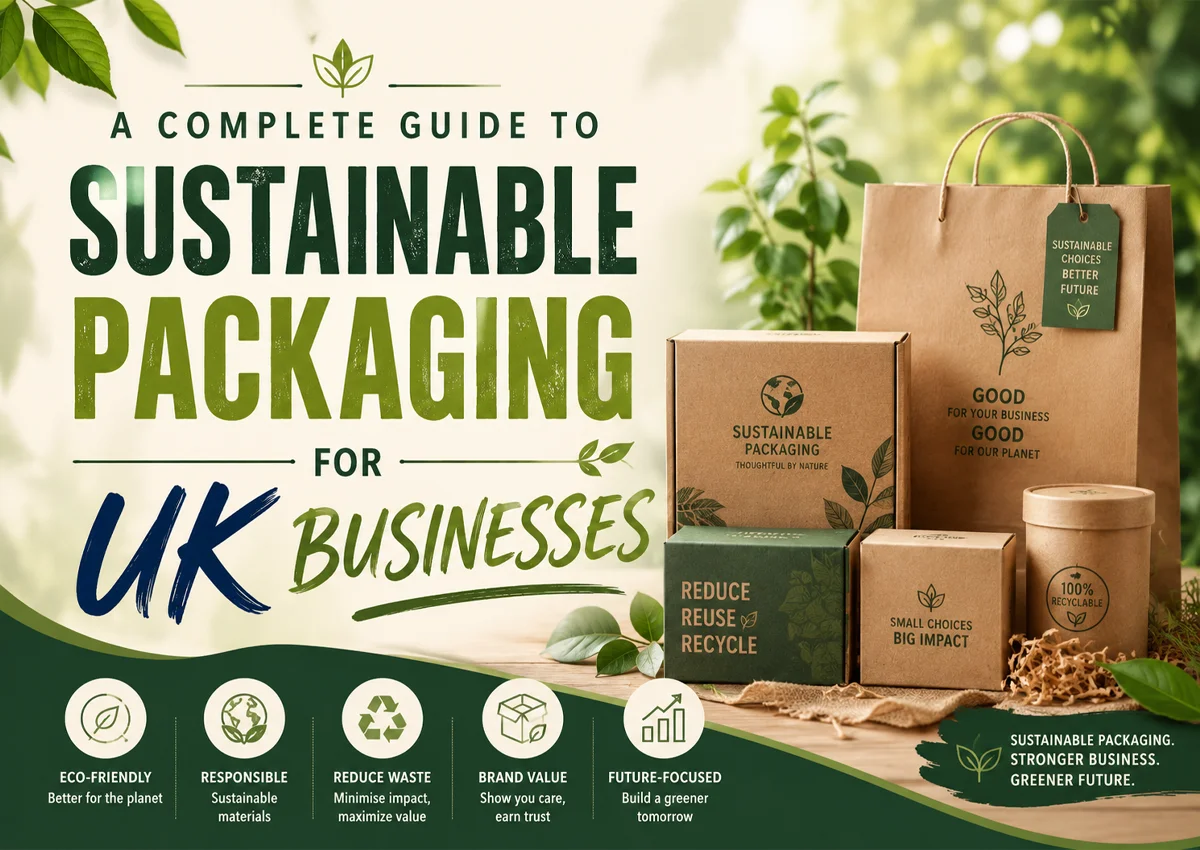
Transitioning away from single-use plastic is no longer seen as merely a progressive act, but has become a necessary step towards achieving current retail standards and to comply with environmental regulations laid out in the UK. This guide includes the necessary information about what is sustainable packaging and how to make the switch to sustainable materials.
What is Sustainable Packaging?
Sustainable materials are any packaging or containment material viewed as environmentally friendly throughout the lifecycle of the material. Sustainable packaging starts with the sourcing of raw materials. It involves the manufacturing process of these boxes and how easy it will be for the consumer to reuse or recycle the item.
It’s all about creating a circular economy in the UK, which means, there are no landfills. Instead, you can easily compost these materials from your home. You can also take these boxes through normal council recycling facilities. True sustainability is always about limiting waste that conserves energy during the manufacturing process. Moreover, reduce unhealthy chemical dyes and heavy metals from your packaging products.
Eco Friendly Sustainable Packaging Trends in the UK
There has been an increased interest in eco-friendly packaging as a result of changes to government legislation like the introduction of the Plastic Packaging Tax. This tax affects plastic packaging made in or imported into the UK that does not use a minimum of 30% recycled plastic within its composition.
As a consequence, UK businesses have begun to shift towards renewable, plant-based materials as their primary means of packing goods for delivery. Consumers are also demanding more minimalist designs that use a reduced amount of overall packaging materials. Additionally, businesses that use compact packaging boxes to prevent shipping excess air receive high levels of consumer confidence because consumers do not want to see small items arrive in oversized plastic shipping bags.
What is the Most Sustainable Packaging?
There isn’t one answer to this question because what makes a packaging choice sustainable depends on many factors including the nature of your product. However, as a general rule, the most sustainable types of packaging will be any materials that can be either fully biodegradable or infinitely recyclable, such as unbleached paperboard and corrugated cardboard.
In many people’s minds, corrugated cardboard is seen as the ultimate option used for shipping because it can be recycled multiple times without losing its structural integrity. The recycling system for paper and cardboard in the UK is so efficient, therefore, any cardboard boxes you send out will easily be converted into new cardboard boxes; thus, creating no long term landfill waste.
Types of Sustainable Packaging Available Today
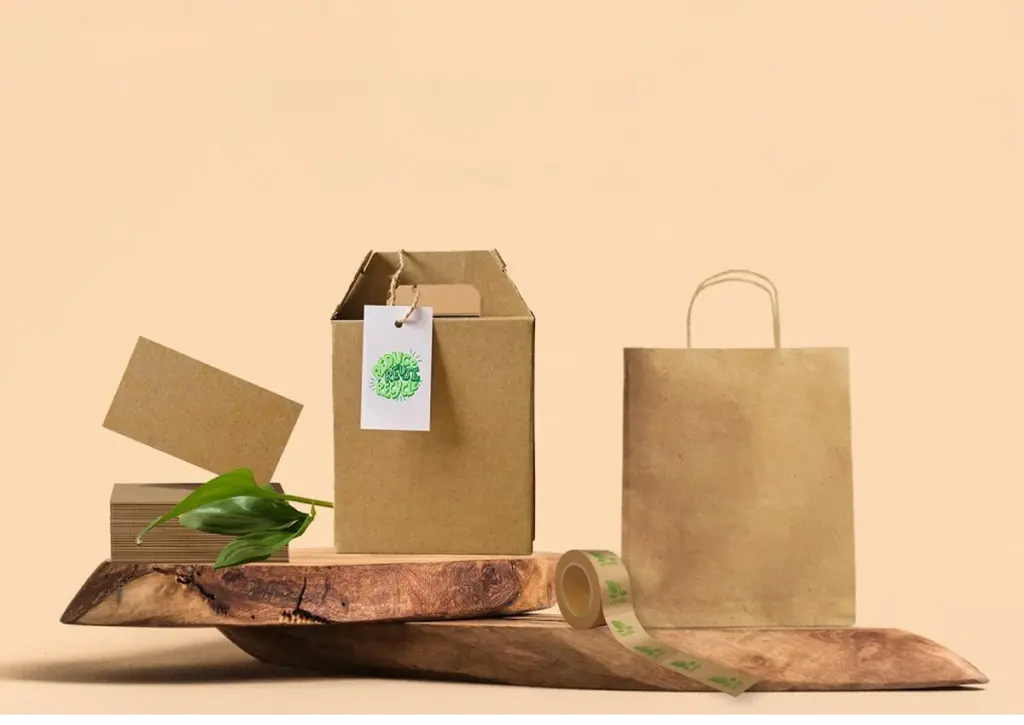
It is also a prevailing view that modern engineering has crafted a whole variety of wonderful options for retail and eCommerce brands. The following sections provide a few styles that are often used by entrepreneurs today:
- Recycled Cardboard: Ideal for shipping boxes, product cartons, and retail display trays.
- Molded Pulp: Spring water and recycled paper combined, used predominantly as protective inserts to cradle delicate items such as glass bottles or electronics.
- Plant-Based Bioplastics: Though they look and feel like any other plastic, they are made from corn starch or sugar cane and are meant to biodegrade in an industrial compost facility.
- Mushroom Packaging: It’s a growing medium made by agricultural waste and mycelium (mushroom roots), which will completely dissolve in water or soil within about two weeks.
Next-Generation Sustainable Materials
- Seaweed-Based Packaging: A renewable resource that can be used for baking paper, wrap films, and coated substrates (sachets). This material is fully edible, dissolves in water, and is biodegradable (leaving no chemical residue) in soils or oceans within weeks of being disposed of.
- Agricultural Waste Fiberboard: Board made from agricultural residues such as sugar cane husks (bagasse), wheat stalks, and hemp stalks. Farmers no longer need to burn their waste when using this material; also, it doesn’t contribute to deforestation
- Stone Paper: A zero-water resource paper made using calcium carbonate (stone waste) cemented together with non-toxic resin. No trees, water, or use of chlorine is necessary to manufacture stone paper; and, stone paper is also naturally waterproof and tear-proof materials.
- Grass Paper: An alternative type of cardstock that has up to 40% of the wood fiber/wood pulp replaced with sun-dried grasses. This paper has less energy and water consumption than traditional wood-based papers and has a unique, organic style.
Protective and Cushioning Alternatives
- Starch-Based Packing Peanuts: Starch-based packing peanuts are made from either corn or potato starch instead of styrofoam. Starch-based packing peanuts will provide the same cushioning effect as styrofoam for shipping sizes but will dissolve completely after being submerged in running water for seconds.
- Corrugated Bubble Wrap: Made from 100% recycled cardboard sheets with engineered cuts that stretch into a flexible, shock-absorbing mesh. Replaces traditional plastic bubble wrap for fragile items.
Best Eco Friendly Sustainable Packaging Material
Eco-friendly sustainable packaging material at its best. Natural kraft paper is one of the best eco-friendly sustainable packaging materials on the market today as it combines strength, cost, and green credentials.
Many small businesses and high-street retailers use custom kraft boxes in their daily operations. Since this material has not been bleached, it retains its natural brown colour and rustic texture. This sends a clear message to customers that your values align with their own green values. This material also requires fewer chemicals during manufacturing, is 100% biodegradable, and offers excellent tear resistance for retail goods and lightweight deliveries.
How to Choose the Best Sustainable Packaging for Your Brand
Choosing the best sustainable packaging is not as easy as it seems. To ensure that you are making the right choice for your particular business, carefully evaluate your supply chain and the exact dimensions of the products you are shipping.
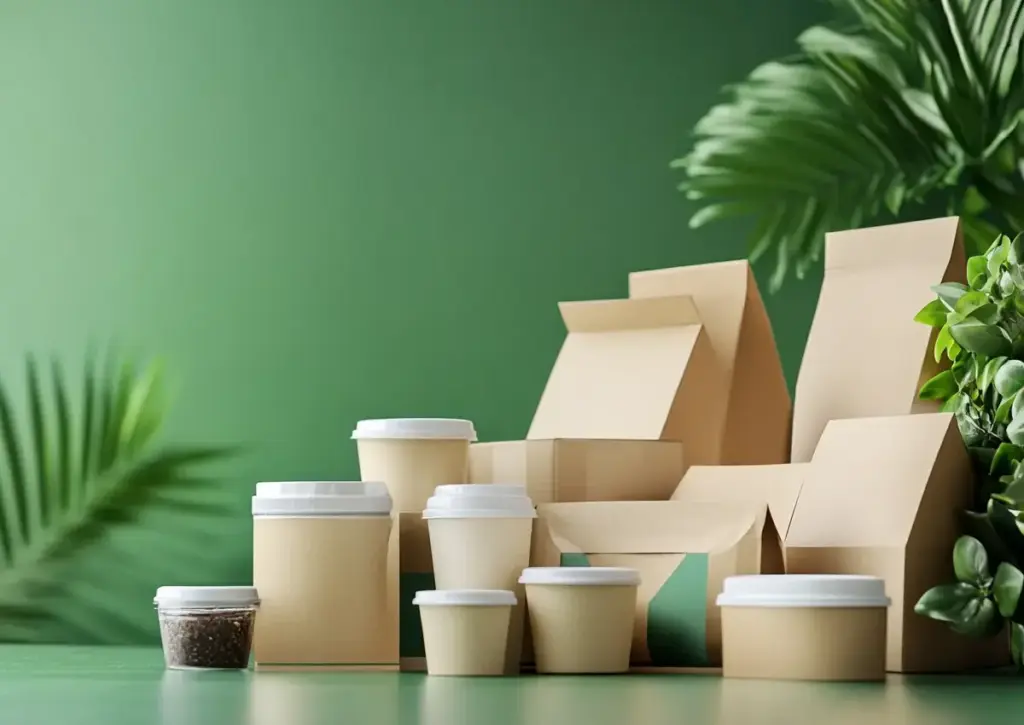
The box needs to be strong enough to protect your products in transit and light enough to keep your postage costs down. When printing your brand logo on a box, choose either water-based or soy-based inks, because traditional petroleum-based ones can contaminate the plastic recycling stream. Finally, keep your design to a minimum to achieve a clean modern look and low-cost footprint.
Read Also: Why Should Businesses Go for Eco-Friendly Packaging?
Get Started with Packaging Bee Today
It’s easy to make your brand more environmentally friendly by working with the right manufacturer who can provide you with sustainable alternatives. If you work with Packaging Bee, you will have access to a wide range of eco-friendly products including recycled shipping cartons, rustic kraft mylar bags, and custom retail boxes—all of which will be produced by our UK-based team.
Contact us today to learn more about how we can help you achieve your eco-friendly goals, request a free sample pack, and get an accurate quote for your next order of eco-friendly products!